How South Florida Municipalities Use PEG Channels to Create and Distribute Community Content
PEG channels work best when they are treated as a real community content platform. Here is how Full Moon Creative helps city staff create programming, manage scheduling, and share important stories across cable, web, and social media.
 Cover Image
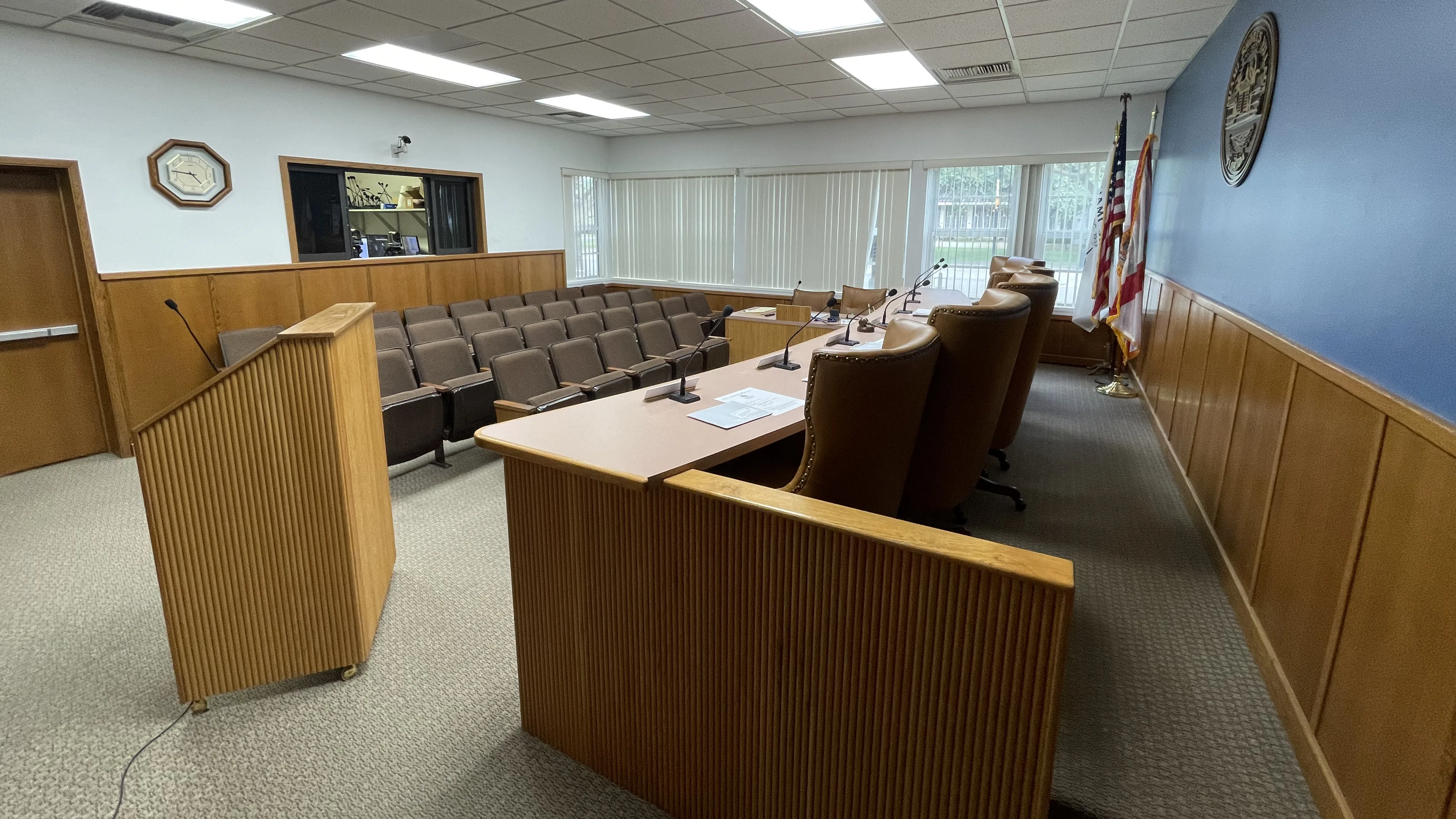
Full Moon Creative has helped South Florida municipalities turn PEG channels into active, useful content platforms for years. We work alongside city staff to produce public meetings, build programming schedules, edit and archive video, and manage distribution across cable, websites, and social media so residents can easily find and watch the stories their city is sharing.
What a Strong PEG Channel Looks Like
A PEG channel works best when it is treated as a real community media service, not just a place to replay meetings. The most effective channels combine live civic coverage with community storytelling, educational programming, and thoughtful scheduling so there is always something relevant on the air.
That is where a trusted production partner can make the process easier. City staff already have a lot on their plates, and a clear content plan, strong editing, and a simple distribution workflow can make a huge difference. We help municipalities turn raw footage into a polished, consistent channel experience without adding more burden to internal teams.
From Meetings to Monthly Programming
The best PEG channels are built around a thoughtful mix of content:
- Live coverage of commission meetings, public hearings, and special sessions
- Short-form updates for city initiatives, events, and community resources
- Feature segments that spotlight local organizations, public works, and neighborhood stories
- Archived recordings with chapter markers so residents can quickly find the part they need
- Repeated programming that keeps the channel active without feeling repetitive
When a city has a clear content calendar, the channel becomes more than a passive feed. It becomes a helpful tool for informing residents, supporting local initiatives, and giving the community a stronger connection to local government.
Managing Distribution Across Every Screen
A successful PEG strategy does not stop at the studio. Content needs to reach people where they already spend time:
- Cable delivery to the local PEG channel
- Live streaming to YouTube and the city website
- Social clips and highlights for broader awareness
- Searchable archives for on-demand viewing
- Captioning and accessible formats for more inclusive reach
We help cities create a distribution workflow that is consistent, efficient, and easy to maintain. That means less scrambling at the last minute and more confidence that each event or update will be delivered clearly across platforms with support that feels collaborative rather than complicated.
Why Municipalities Partner With Full Moon Creative
- Production support that fits municipal workflows. We know how to cover government events with calm, organized execution and strong storytelling that supports city staff.
- A full content pipeline. From live capture to editing, archiving, and distribution, we help keep the channel moving from one piece of content to the next.
- A more consistent viewer experience. Residents get polished video, helpful organization, and a schedule that feels intentional rather than improvised.
- Less burden on city staff. Our team handles the production and post-production work so local staff can focus on the message, not the logistics.
- A stronger local presence. When content is delivered across cable and digital channels, the city becomes easier to reach and easier to follow.
Ready to build a PEG channel that feels active, relevant, and easy to manage with your team? Explore our government solutions or contact us to talk about how we can support your city's content goals.
Last updated